Home Automation Electrical Upgrades: What to Know Before You Start
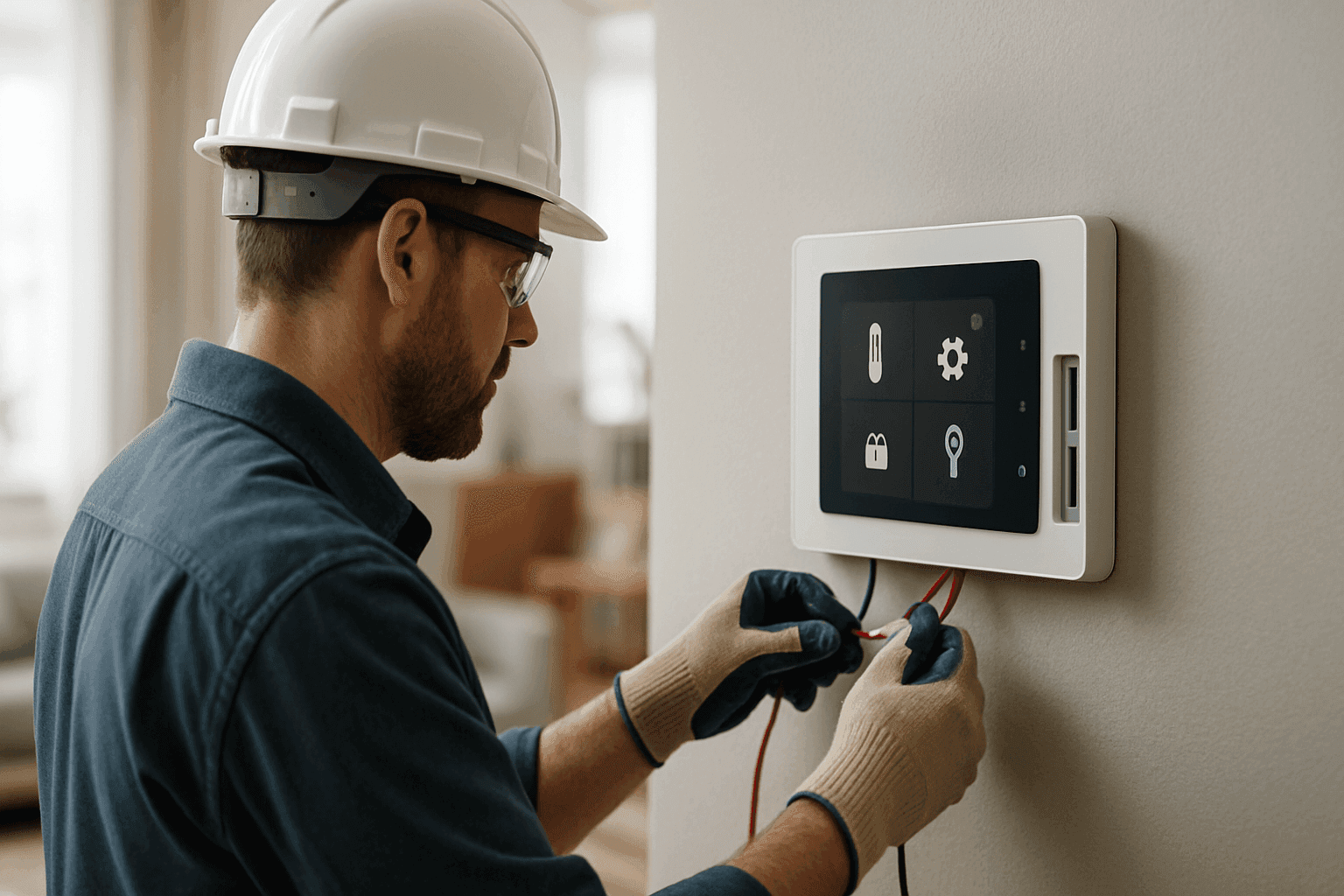
Thinking of giving your home or business a smart upgrade? You’re not alone. Home automation is more popular than ever—offering convenience, energy savings, and a sense of control that’s hard to beat. But before you start swapping out switches and plugging in gadgets, there are some key things to know about electrical upgrades.
You wouldn’t build a house on sand. The same goes for smart tech—your wiring and circuits are the foundation. Here’s what to check before you dive in.
Why Home Automation Is Booming
Smart homes used to be science fiction. Now, they’re a fixture in real-world living. Lighting that adjusts to your mood. Thermostats that learn your habits. Security that keeps an eye out, even when you’re not home. The promise? Comfort, savings, and peace of mind.
But there’s a catch: all these devices depend on a solid electrical system. Without the right upgrades, your dream home could run into dead ends and dead batteries.
Evaluate Your Existing Electrical System ⚡️
Before adding new technology, take a hard look at what’s already inside your walls. Many older homes and commercial spaces simply weren’t built for the demands of modern automation.
Here’s what to check:
- Panel capacity: Is your main panel maxed out? Adding smart devices (especially items like EV chargers or backup generators) may require more space or even a panel upgrade.
- Wiring age & type: Old aluminum wiring or cloth-insulated wires aren’t friends with new tech. They can be unsafe and unreliable.
- Grounding: Smart devices require proper grounding for safety and to avoid interference.
- Outlet and switch quality: Loose or outdated outlets can be a fire hazard—especially with high-frequency switching from automation.
A qualified electrician can inspect your setup and spot issues. If you’re searching for “Fault Finding near you,” make sure the electrician has experience with smart systems.
Common Electrical Upgrades for Home Automation
Smart devices are only as good as the wiring behind them. Some upgrades are almost always needed:
Dedicated Circuits
Big-ticket items like EV chargers, pool pumps, or high-powered appliances often need their own circuits. Sharing a circuit with too many devices can lead to flickering lights or worse—tripped breakers.
Low-Voltage Wiring
Many smart sensors and controls run on low-voltage wiring (think doorbell cameras or digital thermostats). These wires are thinner and safer, but they need to be run correctly to avoid signal loss.
Network Cabling
Wi-Fi is convenient, but for rock-solid smart home performance, consider adding Ethernet lines. Wired connections reduce lag and keep cameras, streaming devices, and security panels running smoothly.
Surge Protection
Power surges can fry sensitive electronics in a blink. Whole-house surge protectors are like umbrellas for your wiring—shielding every device from unexpected jolts.
Smoke & Carbon Monoxide Detectors
Upgrading to smart detectors? Make sure they’re wired in series and meet local safety codes. The National Fire Protection Association (NFPA) sets important guidelines here.
Choosing Compatible Smart Devices
Not all smart gadgets play well together. It’s a little like mixing puzzle pieces from different sets—some fit, some don’t.
Here’s what to look for:
- Protocol compatibility: Devices using the same “language”—like Zigbee, Z-Wave, or Wi-Fi—connect more easily.
- Power requirements: Double-check voltage and amperage needs. Plugging a high-draw device into the wrong outlet is a recipe for disappointment (or danger).
- Security features: Prioritize devices with encrypted connections and regular firmware updates.
Popular options include:
- Lighting: Smart bulbs, dimmers, and switches.
- Thermostats: Learn your schedule and help cut energy bills.
- Security: Cameras, alarms, and smart locks.
- Home automation hubs: Central “brains” that let you control everything from one place.
Why Surge Protection and Code Compliance Matter ⚠️
Modern electronics are delicate. One bad surge—maybe from a lightning strike or utility spike—and you’re looking at fried circuit boards. Surge protection defends your investment.
Equally important: Local and national electrical codes (like the National Electrical Code, NEC) set safety standards. Cutting corners can void insurance, create hazards, or leave you facing costly repairs down the line.
A licensed electrician is trained to keep your project on the right side of the law.
Professional vs. DIY Installation
It’s tempting to DIY home automation. Some devices are “plug and play.” But the deeper you go—especially with wiring or panel work—the more you risk.
DIY: When It Makes Sense
- Smart plugs, bulbs, or battery-powered sensors.
- Devices that don’t require wiring changes.
When to Call in a Pro
- Adding or moving outlets and switches.
- Installing new circuits or panels.
- Running low-voltage wiring through walls.
- Integrating multiple smart systems for full-home control.
Safety is the big issue here. Electrical work can be like a rickety ladder—safe if you know what you’re doing, but risky if you don’t. An electrician brings the tools, knowledge, and troubleshooting skills to keep things running smoothly.
Safety, Scalability, and Future-Proofing
Think long-term. Your needs may grow. Maybe today it’s a smart thermostat; tomorrow, you want whole-home automation. Planning for expansion saves headaches and money.
Tips for future-proofing:
- Use larger conduit: Leaves room for more wires later.
- Label everything: Makes future upgrades easier.
- Plan extra outlets and ethernet ports: You’ll never regret having more connectivity options.
The Value of Expert Design and Troubleshooting
Smart homes should feel seamless—not like a patchwork quilt. That’s where professional design shines. An experienced electrician can map out your system, avoid conflicts, and make sure every device works in harmony.
If something goes wrong, they’re equipped to find the fix—fast. Whether it’s signal dropouts, tripped breakers, or mysterious glitches, a pro knows where to look.
Smart Home Upgrades and Resale Value 🏡
Here’s the bonus: Well-designed home automation can increase your property’s appeal. Potential buyers love smart features—they signal convenience, security, and modern living. According to the National Association of Realtors, homes with automation often sell faster and sometimes at a premium.
Comfort isn’t just about gadgets. It’s about living in a space that works for you. Smart upgrades deliver both.
Quick Home Automation Safety Checklist
- Confirm your electrical panel can handle added load
- Upgrade old wiring if needed
- Use surge protection for all smart devices
- Make sure all devices are properly grounded
- Install smoke and CO detectors to code
- Keep wiring organized and labeled
- Hire a qualified electrician for major changes
Professional vs. DIY: A Clear-Eyed Comparison
Let’s be honest—some things you can tackle yourself. Others? Not so much.
DIY is OK for:
- Plug-in devices (smart speakers, lamps)
- Battery-powered sensors
Call an electrician for:
- Anything inside your walls
- Panel upgrades or new circuits
- Rewiring or troubleshooting persistent issues
- Integrating multiple automation systems
Safety and reliability are what’s at stake.
What Electricians Do When They Arrive
- Inspect your current wiring and panel
- Identify weak spots or code issues
- Design a wiring plan for your automation needs
- Install and test new circuits, outlets, or network lines
- Program and integrate smart devices (if needed)
- Provide certificates or documentation for insurance
A reputable electrician won’t just install—they’ll explain, test, and double-check every connection.
Prevention & Maintenance Tips
- Replace batteries in sensors and detectors regularly
- Test backup generators and surge protectors annually
- Schedule periodic electrical safety inspections
- Keep software and firmware updates current for all devices
A little maintenance goes a long way toward keeping your smart home safe and reliable.
Costs & Time Factors
Every project is different. Some upgrades take an afternoon—others may stretch over several days or weeks, especially if rewiring or panel work is needed.
Typical factors affecting cost and time:
- Age and condition of your current wiring
- Number and type of devices you want installed
- Whether walls need to be opened for new wiring
- Local permit and code requirements
Always budget for professional labor—quality work pays off in safety and peace of mind.
When It’s an Emergency
If you smell burning, see sparks, or lose power unexpectedly, don’t wait. Shut off power at the breaker (if safe to do so) and call for emergency electrical service. Fast response can prevent fires or further damage.
FAQ: Home Automation Electrical Upgrades
Q: Can I add smart devices to any home?
A: Most homes can be upgraded, but older wiring may need to be replaced for safety and compatibility.
Q: Do I need a new electrical panel for automation?
A: Not always. But if your panel is full or outdated, a new one may be required to support added devices.
Q: Will smart home upgrades increase my energy bill?
A: Not usually. Many smart systems help you save energy by running only when needed.
Q: Are permits needed for electrical upgrades?
A: Often, yes—especially for panel work, new circuits, or major rewiring. Your electrician can handle the paperwork.
Local and Seasonal Considerations 🌦️
Extreme weather—heat, cold, or storms—puts extra stress on electrical systems. If you live where outages are common, consider backup generators or battery storage as part of your automation plan.
Humidity and salt air (near the coast) can corrode wiring and connections, so regular inspections are smart. Always use devices rated for your climate—outdoor-rated enclosures and weather-resistant hardware keep your system humming year-round.
Upgrading to a smart home is exciting. The right electrical foundation ensures every device works safely, reliably, and for years to come. Ready to get started—or have questions about your setup?
Call P&E Electric now — or reach us anytime at 844-934-4469 .