How to Troubleshoot Common Electrical Faults at Home
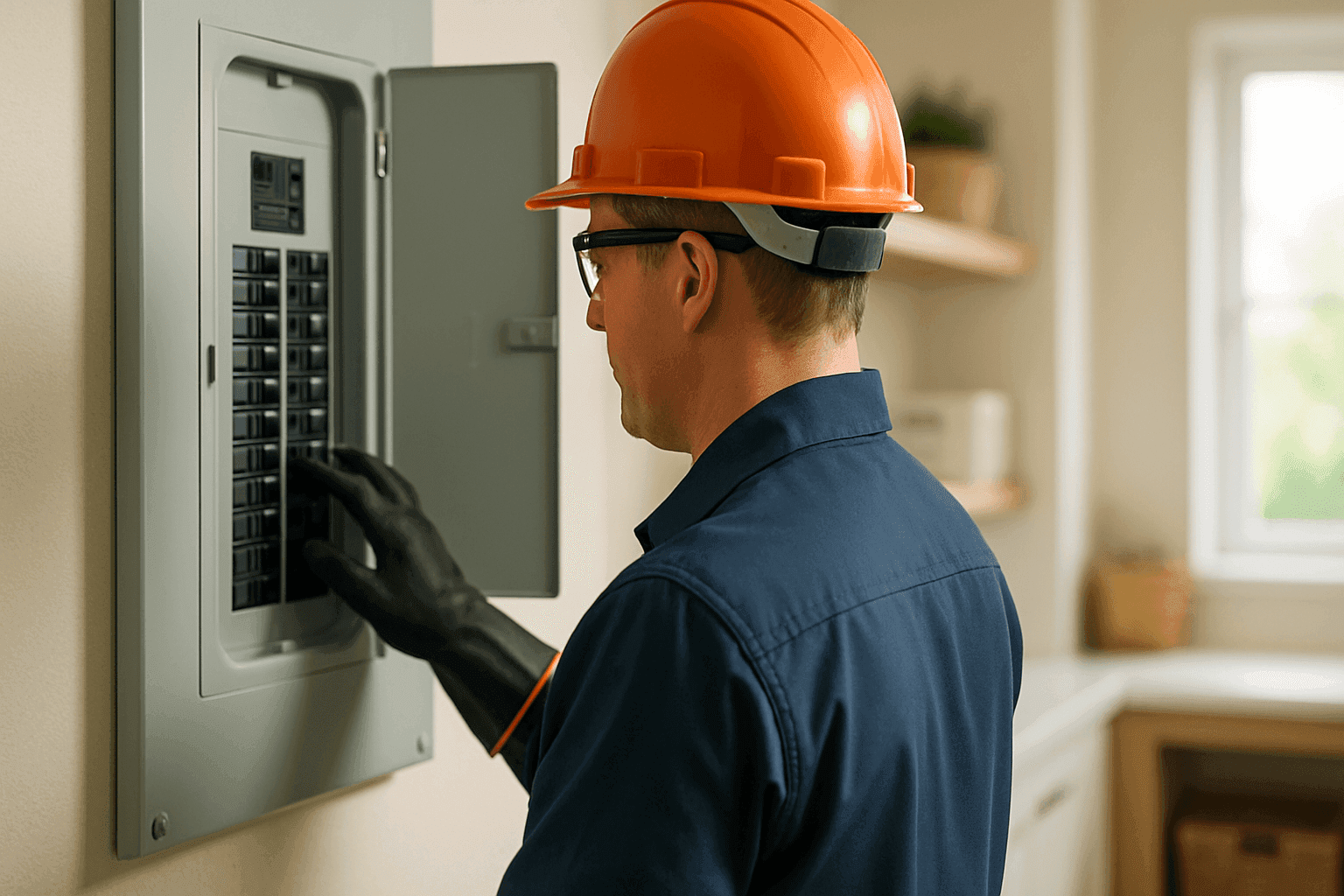
Ever tried to flip a switch, only to be left in the dark? Or had a breaker trip right in the middle of dinner prep? You’re not alone. Most folks run into electrical gremlins at home—some are quick fixes, while others need an electrician’s trained eye.
At P&E Electric, we know how stressful it feels when your home’s power acts up. That’s why we’re sharing practical, safe steps to troubleshoot electrical faults. Because knowing what to do in those first moments can protect your family, your property, and your peace of mind.
Quick Safety Checklist ⚡
Before you do anything:
- Turn off power at the panel to the affected area.
- Use insulated tools (never wet hands or metal objects).
- Keep water away from electrical workspaces.
- Never open the main panel—that’s a job for an electrician.
- If you smell burning or see smoke, evacuate and call emergency services immediately.
Safety isn’t just a box to tick. It’s your lifeline. The National Electrical Code (NEC) and Electrical Safety Authority recommend professional help for anything beyond basic checks.
Troubleshooting Tripped Breakers
A breaker is like a sentry at the gate. It stands guard, protecting your home from overloads and short circuits. But sometimes, it trips, leaving you puzzled.
Step-by-Step:
- Identify the tripped breaker. In your panel, look for the switch in the “off” or middle position.
- Unplug devices from the affected circuit—too many gadgets can overload a line.
- Reset the breaker by flipping it all the way off, then firmly back on.
- Test the circuit: Plug in one device at a time. If the breaker trips again, you may have a faulty appliance or a wiring issue.
- Red Flags: If the breaker won’t reset, or trips instantly, stop. This hints at a serious fault—call a licensed electrician.
Common Causes
- Overloaded circuits (too many devices)
- Short circuits (wiring touching where it shouldn’t)
- Faulty appliances
Dead Outlets: When Plugs Go Silent
Plug in your phone charger, and… nothing. Dead outlets are annoying and sometimes dangerous.
Step-by-Step:
- Check other outlets nearby. Is it just one, or several?
- Look for GFCI outlets (with "reset" and "test" buttons). Press “reset.” GFCIs often control several outlets.
- Inspect for tripped breakers or blown fuses in the panel.
- Test with another device—sometimes, it’s the appliance, not the outlet.
- Red Flags: Sparks, buzzing, heat, or a burned smell mean it’s time to call an electrician.
Typical Causes
- Tripped GFCI (especially in kitchens, baths, garages)
- Loose or damaged wiring
- Worn-out outlets
Flickering Lights: Not a Ghost Story
Lights that flicker or dim aren’t just unsettling—they’re a warning sign.
Step-by-Step:
- Tighten bulbs—sometimes it’s just a loose connection.
- Plug the lamp or fixture elsewhere to rule out bad sockets.
- Check for patterns—do all lights flicker, or just one?
- Red Flags: Flickering across the whole house, or accompanied by buzzing, points to bigger wiring or utility issues.
Possible Reasons
- Loose connections at the fixture or switch
- Overloaded circuits
- Faulty dimmers or switches
Persistent Blown Fuses
Still have fuses, not breakers? Blown fuses mean something is drawing more power than it should.
Step-by-Step:
- Turn off the main power before replacing a fuse.
- Replace with the correct amperage fuse—never “upgrade” to a bigger one.
- Restart power and observe. Immediate blowing signals a deeper fault.
- Red Flags: Fuses blowing repeatedly, or melted fuse holders, mean danger. Step back and call an electrician.
Why It Happens
- Overloaded circuits
- Short circuits or ground faults
- Outdated wiring
At-a-Glance: Symptoms & Likely Causes
| Symptom | Likely Cause | |---------------------|-------------------------------------| | Breaker keeps tripping | Overload, short circuit, bad device | | Dead outlet | Tripped GFCI, loose wiring | | Flickering lights | Loose bulbs, bad connections | | Blown fuse | Overload, short, old wiring |
DIY vs. Call a Pro
Some things are safe to try—like resetting a breaker or pressing a GFCI reset. But if the fix doesn’t work, or you spot any warning signs, it’s time to call an electrician for Fault Finding near you.
When to DIY
- Resetting breakers or GFCIs
- Swapping bulbs or checking for loose plugs
When to Call P&E Electric
- Breakers won’t stay on
- Burning smells, buzzing, or smoke
- Repeated blown fuses
- Outlets or switches are hot to the touch
- Any sign of water near wiring
Ignoring electrical problems is like ignoring the “check engine” light. It won’t go away—and can quickly get worse.
What Pros Do On Arrival
When an electrician from P&E Electric arrives, here’s what to expect:
- Visual inspection of your panel, outlets, and switches
- Testing circuits with professional meters
- Assessing wiring for damage, heat, or aging
- Checking code compliance (as per NEC and local guidelines)
- Providing a clear explanation of the problem and solutions
We don’t just fix the issue—we look for the “why” behind it, so you’re not calling again next month.
Prevention & Maintenance
Keeping your home’s electrical system healthy is like regular oil changes for your car.
- Don’t overload outlets—spread out appliances.
- Schedule electrical safety inspections every few years.
- Replace worn cords and outlets.
- Add surge protection for sensitive electronics.
- Be sure outdoor and wet-area outlets are GFCI-protected (per NEC guidelines).
A little attention now saves big headaches later.
Costs & Time Factors
Electrical troubleshooting can be straightforward or complex. Diagnosing a single dead outlet may take less than an hour. Tracking down a persistent breaker trip might take longer, especially in older homes with complex wiring. Costs depend on the nature of the problem, parts needed, and how accessible your wiring is.
Simple fixes: quick and affordable. Major repairs or full rewiring: more time and investment. But with professional diagnostics, you get safety and reliable results.
When It’s an Emergency
Certain electrical faults need urgent attention:
- Smoke, burning smells, or visible fire
- Outlets or panels that are hot, scorched, or sparking
- Power out to critical systems (refrigeration, medical devices)
- Flooding near electrical panels
In these moments, don’t try to fix it yourself. Evacuate if needed and call emergency services, then P&E Electric for 24-hour emergency electrician support.
FAQ
What’s the difference between a breaker trip and a blown fuse?
A breaker is a reusable switch that “pops” when overloaded. A fuse is a one-time device that melts to stop the flow. Both protect against overloads, but fuses need replacing after each blow.
Why do my lights flicker only when large appliances turn on?
Large appliances like air conditioners or microwaves draw lots of power when starting up. If your wiring or panel isn’t up to the task, you’ll see flickers. It’s a sign your system may need an upgrade.
Is it safe to use extension cords for permanent wiring?
No. Extension cords are for short-term use only. Using them as permanent wiring is a fire risk and violates safety codes.
How often should I have my electrical system inspected?
For most homes, every 3–5 years is a good rule of thumb, or after any major renovation, flood, or when buying a new home.
Local & Seasonal Considerations 🏠
Seasonal storms, humidity, and age all play a role in home electrical health. Summer heat can stress air conditioning circuits. Winter can strain heaters and generators. If you’ve just moved in, or if your home is over 30 years old, schedule a safety check. Remember: local code updates may affect what’s safe and legal in your area, so always work with a licensed electrician for Fault Finding near you.
Electrical faults don’t have to be a mystery—or a source of anxiety. A little knowledge and a lot of caution go a long way. But when in doubt, it’s always safer to call in the professionals.
Call P&E Electric now — or reach us anytime at 844-934-4469 .