Backup Generators: Choosing, Installing, and Maintaining for Reliable Power
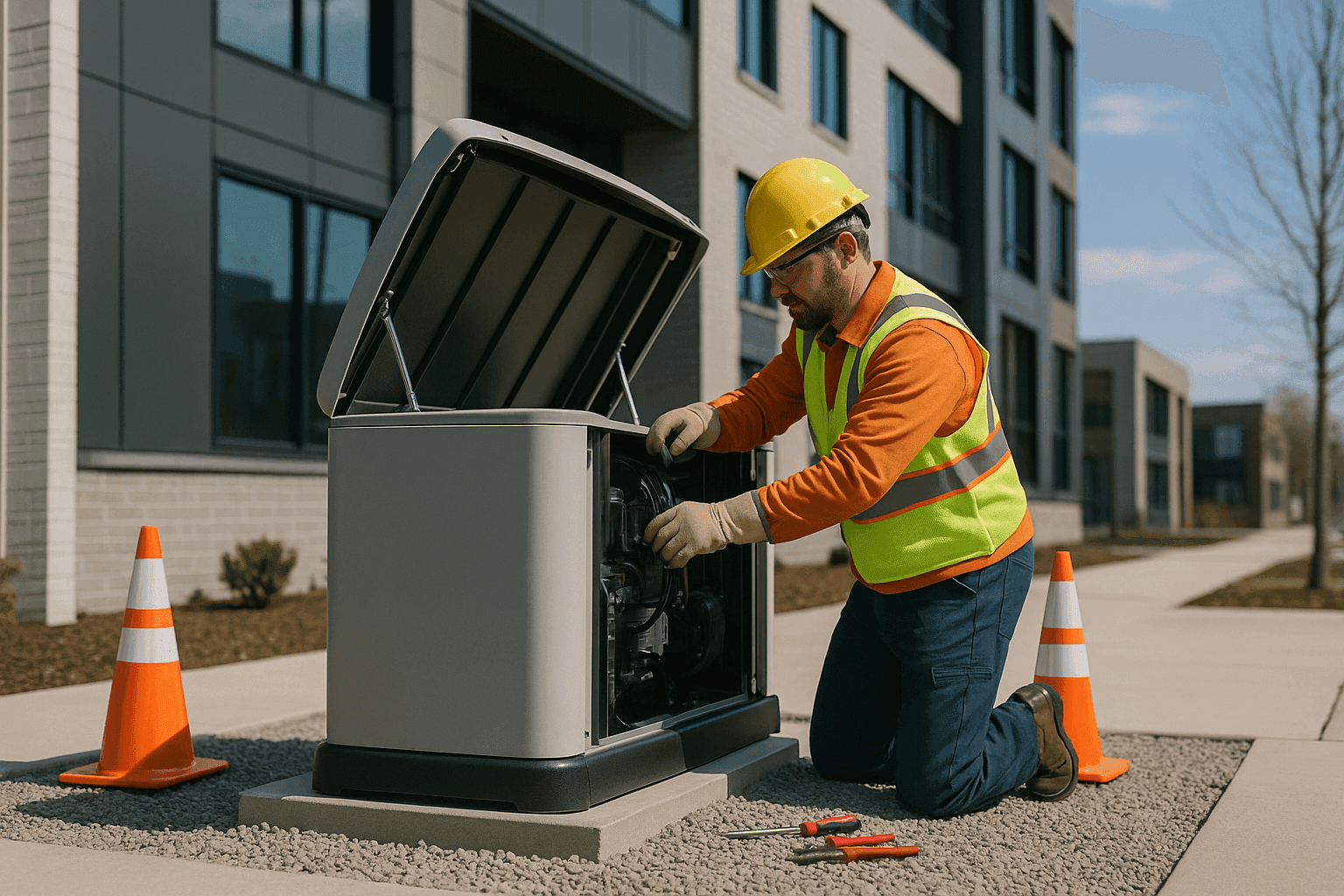
When the lights flicker out, life doesn’t pause. If the power grid fails—whether it’s a wild summer storm, a winter freeze, or a surprise blackout—being left in the dark isn’t just inconvenient. It can halt business, spoil food, and threaten safety. At P&E Electric, we’ve seen firsthand how backup generators keep homes cozy and businesses open when everything else stops.
A backup generator is like a safety net, ready to catch you when the unexpected happens. But how do you choose the right one? What’s involved in safe installation? And how do you keep it working flawlessly, year after year? Let’s explore the real-world steps behind reliable backup power.
Why Backup Generators Are Essential
Imagine your home in the middle of a thunderstorm. The wind howls, rain pours, and suddenly—darkness. No lights, no fridge, no heat. For businesses, the stakes are even higher. Servers go down, security systems fail, and customers are left waiting. Backup generators transform chaos into calm, keeping the essentials running.
They’re not just for rare emergencies. Aging infrastructure and severe weather make outages more common. With a generator, you’re prepared. You keep food safe, maintain climate control, and protect sensitive electronics—no matter what the weather brings.
Choosing the Right Generator: Size and Fuel Matter ⚡
Backup generators come in many shapes and sizes. Picking the right one is like finding shoes that fit—not too tight, not too loose.
Sizing Up Your Needs
- Residential: Most homes need a generator that can handle key appliances. Think fridge, sump pump, lights, and maybe the furnace.
- Commercial: Offices, shops, or warehouses often need much more—HVAC, security, even machinery.
How do you figure out the right size?
- List every device you want to power during an outage.
- Add up their starting and running watts (check appliance labels).
- Choose a generator with a bit more capacity than your highest total. This prevents overload.
Authoritative sources like the National Fire Protection Association (NFPA) recommend consulting a licensed electrician for accurate load calculations.
Fuel Type Considerations
- Gasoline: Easy to find, but not ideal for long outages—fuel can be hard to store and spoils over time.
- Propane: Clean burning and storable for years, but you’ll need a large tank.
- Diesel: Durable and efficient for larger commercial units, but needs regular fuel checks.
- Natural Gas: Connects to your home’s gas line for endless power, but not available everywhere.
Match your generator’s fuel to your needs, location, and local code requirements. Always factor in storage safety and refueling logistics.
Professional Installation: Why It’s Not a DIY Job
Installing a backup generator isn’t like plugging in a new toaster. It’s more like adding a new heart to your home’s electrical system.
Key Steps in Professional Installation
- Transfer Switch Integration: This acts as a traffic cop, making sure power flows safely from the generator when the grid is down.
- Code Compliance: Electricians follow the National Electrical Code (NEC) and local ordinances. Improper installation can cause fires or serious injury.
- Site Selection: Generators must be installed away from windows and doors to prevent carbon monoxide intrusion.
- Weatherproofing: Placement keeps your unit safe from flooding, snow, and debris.
Only a qualified electrician should connect a generator to your home or building’s wiring. This isn’t just about convenience—it’s about safety.
Maintenance: Keep Your Generator Ready When It Counts 🛠️
A generator is an investment. Like a car, it needs regular care to stay reliable.
Maintenance Musts
- Run the generator monthly. This keeps the engine lubricated and reveals issues early.
- Change oil and filters. Follow your manufacturer’s schedule, often every 50–100 hours of use.
- Inspect and test batteries. Dead batteries are a leading cause of generator failure.
- Check fuel quality. Old fuel can gum up the system. Replace stale gasoline or diesel as needed.
- Clear debris. Keep vents and enclosures free from leaves, snow, and critters.
Simple Maintenance Schedule
- Monthly: Run generator for 20–30 minutes under load, check for warning lights.
- Quarterly: Inspect oil, filters, coolant (if liquid-cooled), and battery terminals.
- Annually: Full service by a licensed electrician; replace filters, test transfer switch, inspect wiring.
Always follow manufacturer instructions and local regulations for maintenance. The Electrical Safety Authority and NFPA offer reliable guidelines.
Safety Checklist: Protect Your People and Property 🔒
- Never run a generator indoors or in garages—carbon monoxide is deadly.
- Place units outside, at least 20 feet from doors, windows, and vents.
- Use weatherproof covers but allow for adequate ventilation.
- Install carbon monoxide detectors near living and sleeping areas.
- Store fuel away from the home in approved, sealed containers.
- Schedule professional inspections after storms or long periods of disuse.
Treat your generator like a campfire—keep it outside, monitored, and respected.
DIY vs. Calling an Electrician
It’s tempting to cut corners to save money. But backup generators aren’t a Saturday project.
- DIY: You can buy a portable generator and plug in a few appliances directly. But never, ever backfeed power into your home’s wiring—this is illegal and dangerous.
- Professional Installation: For whole-home or business coverage, an electrician ensures safe transfer switch installation, code compliance, and system integrity.
When in doubt? Always call a licensed electrician for anything beyond basic portable generator use.
What Happens When the Pros Arrive
When you call P&E Electric or search for "Fault Finding near you," here’s what you can expect:
- Assessment: We check your power needs, preferred fuel source, and location.
- Sizing & Selection: We recommend a generator model and fuel type that fits your property and budget.
- Permitting: We handle local permits and code requirements.
- Installation: Transfer switches, weatherproofing, and safe connections are all included.
- Testing: We run the system, simulate an outage, and show you how to use it.
Prevention & Maintenance: Staying Ahead of Trouble
- Test your generator each month—don’t let it gather dust.
- Listen for odd noises or warning indicators.
- Keep a log of run times and maintenance.
- Schedule annual inspections with a licensed electrician.
- Stock extra fuel (safely) and spare filters.
A generator is like an umbrella—useless if it’s broken or missing when the storm hits.
Costs & Time Factors: What to Expect
- Home backup generator (installed): Expect the process from selection to final testing to take 1–2 days, after permits clear.
- Commercial systems: Larger units and custom wiring can take several days to a week.
- Ongoing costs: Fuel, maintenance parts, and periodic inspections.
Portable generators are less expensive but provide limited coverage and require manual operation. Whole-home or business standby systems are pricier, but far more convenient.
When It’s an Emergency
If your generator isn’t working during an outage, don’t panic.
- Check for obvious issues: Is there fuel? Are circuit breakers tripped?
- Never attempt to repair high-voltage wiring yourself.
- Call a licensed electrician for emergency service—24 hour help is available.
Quick action can prevent food spoilage, business losses, and safety hazards.
FAQ: Common Questions
How long can a backup generator run?
Most standby generators can run as long as they have fuel. With automatic transfer switches and natural gas, some systems run for days or weeks.
Can I power everything in my home?
Only if your generator is sized for total load. Many people choose to cover just essentials to save on cost.
Is it safe to connect a generator myself?
Plugging in appliances directly is fine, but never connect a generator to your home’s wiring without a transfer switch and professional installation.
How often should I service my generator?
Monthly testing and annual professional servicing are best. Always follow the manufacturer’s recommendations.
Local and Seasonal Considerations
- Hurricane zones: Choose a model that handles extended outages and is weatherproofed for heavy rain.
- Cold climates: Install cold weather kits for reliable winter starts.
- Urban areas: Be mindful of noise ordinances and placement rules.
- Rural properties: Larger fuel tanks or diesel may make sense where gas lines aren’t available.
Local codes and climate can shape the best solution—always ask your electrician for tailored advice.
Backup generators give you more than just power. They provide peace of mind and continuity when you need it most. With the right choice, expert installation, and regular maintenance, you never have to worry about the next outage. Whether it’s for your family or your business, let the lights—and life—keep running, no matter what.
Call P&E Electric now — or reach us anytime at 844-934-4469 .