Electrical Safety Inspections: What Every Homeowner Should Know
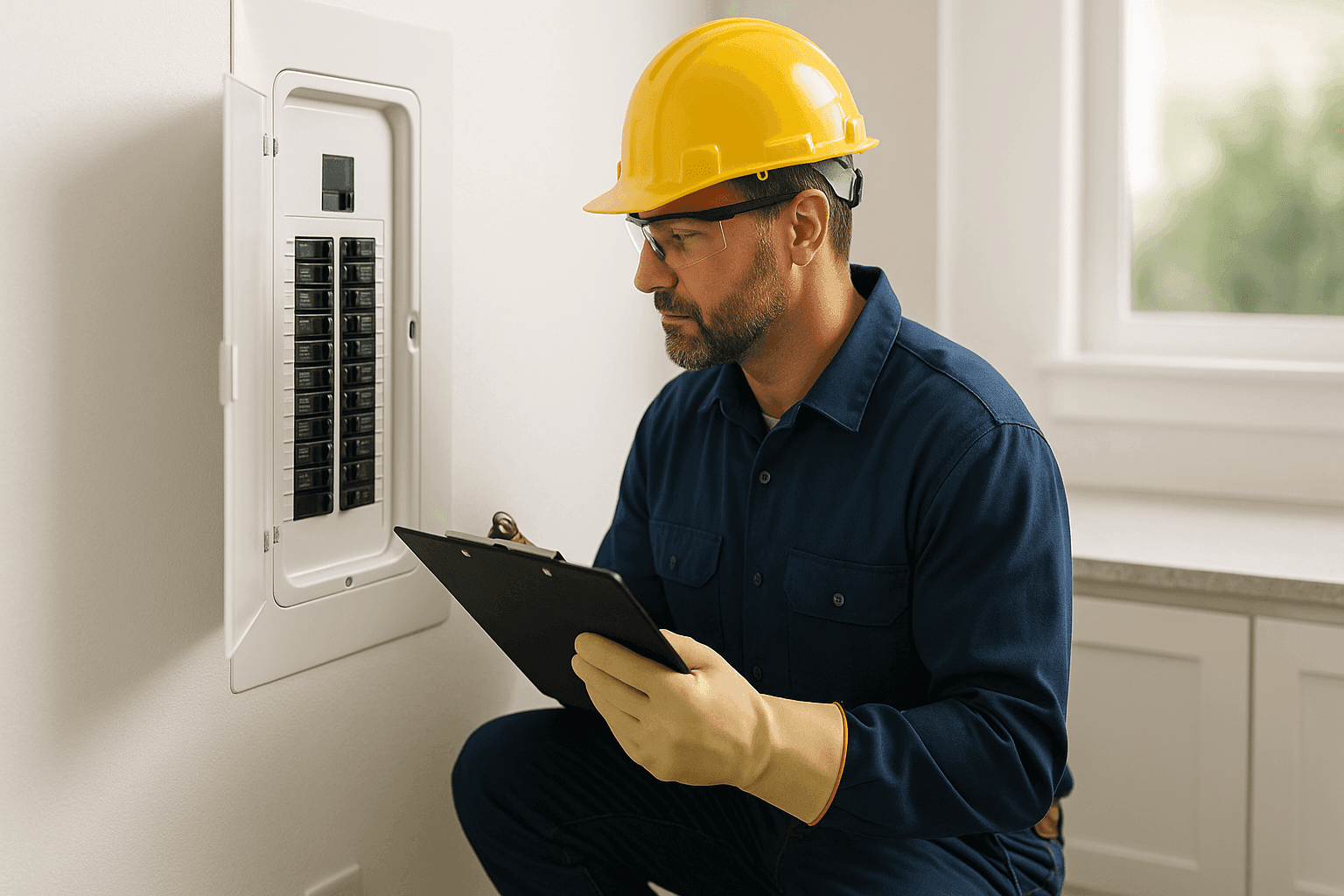
Electricity is the silent force that powers our everyday lives. It’s easy to forget it’s even there—until something goes wrong. Flickering lights, buzzing outlets, or the sharp smell of burning plastic can turn a normal day upside down. That’s why electrical safety inspections aren’t just a box to check. They’re your shield against the unknown.
At P&E Electric, we’ve seen firsthand how a simple inspection can catch problems before they spark something bigger. Whether you live in a hundred-year-old Victorian or a brand-new build, a safety check is your first line of defense.
Why Electrical Safety Inspections Matter
Think of your electrical system like the circulatory system in your body. Out of sight, but always working, 24/7. Over time, wires age, technology changes, and the demands on your system grow. That’s true for both homes and businesses.
Inspections reveal hidden dangers:
- Outdated wiring that can’t handle today’s appliances.
- Circuits overloaded by modern electronics.
- Outlets that have loosened or burned out over years of use.
- Safety devices (like smoke or carbon monoxide detectors) in the wrong spots—or missing entirely.
The National Fire Protection Association (NFPA) points out that electrical problems are a leading cause of home fires. Regular inspections are the difference between a safe property and a ticking time bomb.
When Should You Schedule an Inspection? 🗓️
There’s no one-size-fits-all answer, but some moments stand out:
- Buying or selling property: Lenders and insurance companies often require it. But even if they don’t, you should.
- After major renovations or additions: New circuits, outlets, or heavy appliances change the game.
- Storm damage or flooding: Water and wiring are a bad mix. After a big storm, schedule a check—even if things seem fine.
- Every few years for older homes: If your house is over 25 years old, get on a regular inspection schedule.
- When you notice warning signs: Tripped breakers, buzzing outlets, flickering lights, or burning smells.
For businesses, annual inspections are smart—especially if you run heavy machinery or have high employee turnover.
Electrical Safety Inspection Checklist
Here’s what certified electricians look for during a safety inspection:
- Wiring condition: Checking for frayed, exposed, or outdated wires (like knob-and-tube or aluminum).
- Circuit load: Ensuring circuits aren’t overloaded with too many devices.
- Outlets and switches: Testing for loose, damaged, or scorched outlets and switches.
- Panels and breakers: Verifying proper labeling, age, and capacity of your electrical panel.
- Grounding: Making sure everything is properly grounded to prevent shocks.
- GFCI/AFCI protection: Ensuring required areas (bathrooms, kitchens, outdoors) are protected.
- Smoke and carbon monoxide detectors: Confirming correct placement and operation.
- Code compliance: Checking for updates since your last inspection—codes change over time!
- Visible signs of moisture or corrosion: Especially after leaks, floods, or high humidity.
DIY vs. Calling a Professional Electrician
It’s tempting to think, “I can handle this.” But your electrical system isn’t a leaky faucet or a squeaky door hinge.
- DIY risks: You can’t always see the danger. A wire might look fine, but be hot enough to start a fire. Mistakes aren’t reversible—electricity doesn’t give second chances.
- Certified electricians: We’re trained to spot what most people miss. Plus, we document our inspections. That paperwork matters for insurance, home sales, and peace of mind.
Bottom line: If you’re searching “Fault Finding near you,” let someone with experience handle the job.
What to Expect During an Electrical Safety Inspection
When a P&E Electric electrician arrives, here’s how the process unfolds:
- Walkthrough: We listen to your concerns first. Any flickering lights, warm outlets, or recent electrical “weirdness”?
- Visual inspection: We check outlets, switches, panels, and visible wiring.
- Testing: Using specialized tools, we test circuits, load, and safety devices.
- Documentation: We note every issue—big or small—and explain what it means in plain language.
- Recommendations: If something needs fixing, we lay out your options. No pressure, just facts.
Expect us to treat your property with respect—boot covers, drop cloths, and a tidy work area are standard. You’ll get a written report when we’re done.
Common Issues Found in Inspections
- Overloaded power strips or extension cords
- Ungrounded outlets (especially in older homes)
- Flickering or dimming lights
- Warm or discolored wall plates
- Missing GFCI protection in kitchens and bathrooms
- Outdated panels (like Federal Pacific or Zinsco, known for safety issues)
- Loose wiring in junction boxes
- Damaged or missing smoke/carbon monoxide detectors
Prevention & Maintenance
Regular maintenance is the secret to a safe electrical system. Here’s how to stay ahead:
- Schedule inspections every 3–5 years for residential properties; annually for commercial.
- Test smoke and carbon monoxide detectors monthly.
- Don’t ignore warning signs—unusual smells, sounds, or breaker trips.
- Avoid overloading outlets with too many devices.
- If you’re adding major appliances or remodeling, get your panel and wiring checked first.
According to the Electrical Safety Foundation International (ESFI), these simple steps prevent the majority of electrical fires.
Costs & Time Factors
The cost of a safety inspection depends on the size of your property, the age of your electrical system, and the complexity of your wiring. Most inspections take 1–3 hours for a standard home, longer for larger or older properties.
Investing in an inspection is a fraction of what you’d spend fixing fire or damage later. And it often pays off with lower insurance premiums and fewer electrical emergencies.
When It’s an Emergency
Some situations just can’t wait:
- Burning smell from outlets or panels
- Sparking, smoking, or buzzing equipment
- Repeated breaker trips for no clear reason
- Partial or total loss of power
If you see or smell trouble, call for emergency electrical service right away. Don’t try to “wait it out.”
Frequently Asked Questions
How often should I have my electrical system inspected?
For most homes, every 3–5 years is recommended. For commercial properties or homes over 40 years old, annual checks are smart.
What happens if my home fails an inspection?
You’ll get a detailed report and a list of recommended repairs. Most issues can be fixed quickly by a qualified electrician.
Are inspections required by law?
Many municipalities (and most lenders) require inspections for home sales, renovations, or rental properties. Check your local building codes or talk to your insurance provider.
Can I do my own safety check?
You can look for obvious issues (like missing covers or exposed wires) but full inspections require specialized tools and knowledge.
Local and Seasonal Considerations 🌧️
In some areas, storms and high humidity can accelerate electrical wear and tear. After a major thunderstorm, flood, or heatwave, schedule a check—even if you don’t see immediate damage.
Older homes in our region often have aluminum wiring or outdated panels—both need special attention. And if you’re adding a pool, spa, or EV charger, that’s another time to get a professional’s eyes on your system.
A safe home or business starts with knowing what’s behind your walls. Don’t leave it to chance—or wait for a small problem to become a big one. Schedule an electrical safety inspection with P&E Electric today.
Call P&E Electric now — or reach us anytime at 844-934-4469 .