Electrical System Maintenance Checklist for Businesses
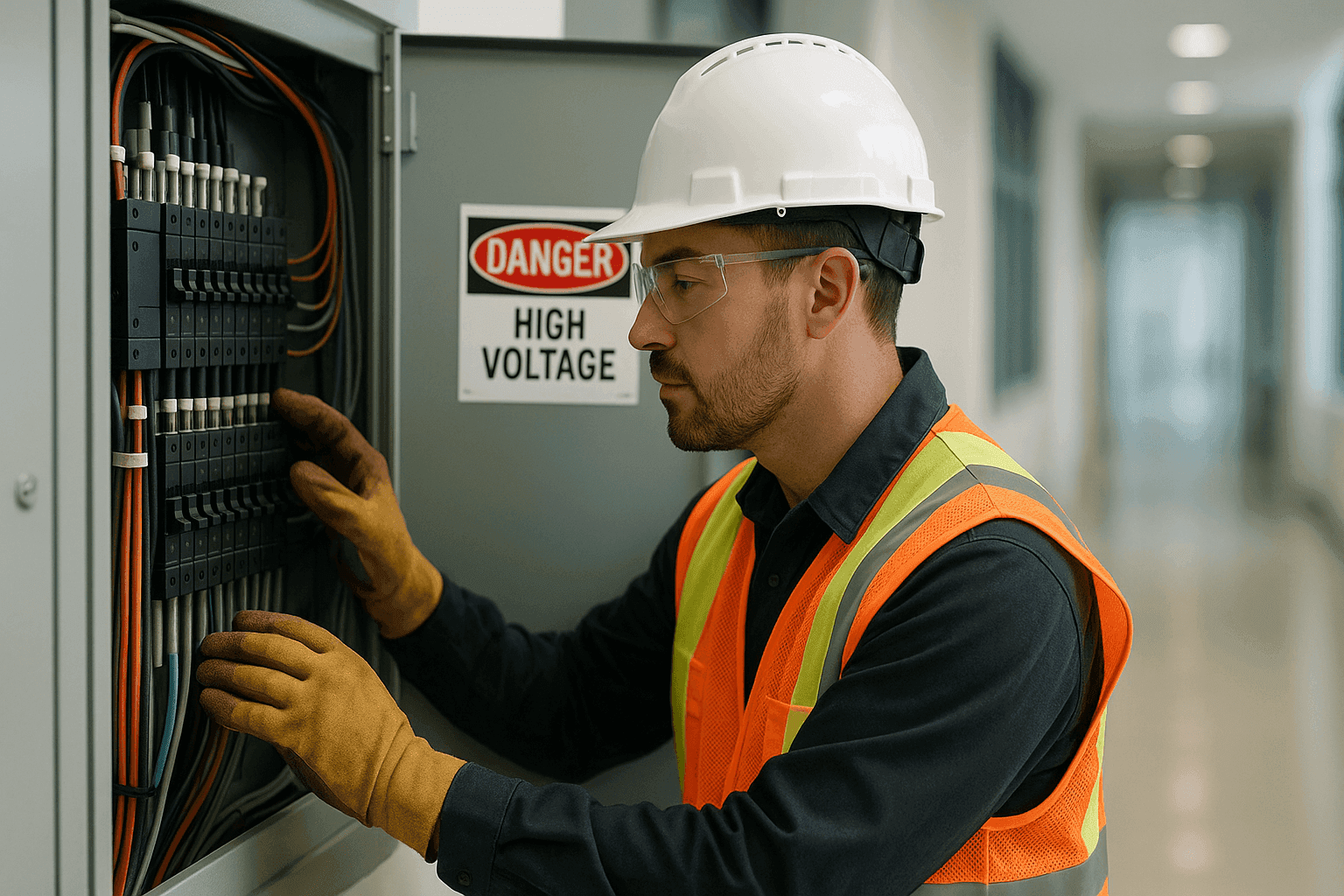
Every business runs on power—literally. But when electrical systems are neglected, everything from sales to safety can grind to a halt. Unplanned downtime, fire risks, and costly compliance headaches lurk in the shadows of skipped maintenance.
At P&E Electric, we know one loose wire can bring an entire operation to its knees. Let’s walk through a practical, step-by-step guide to keep your business bright, safe, and running.
What’s at Stake When Electrical Systems Are Ignored
Imagine the lights flicker, machines pause, or—worse—a circuit overheats. It’s not just an inconvenience. Unchecked electrical faults can lead to:
- Production shutdowns and lost revenue
- Fire hazards and safety threats
- Insurance claim denials due to poor documentation
- Fines or business closure from code violations
Think of your electrical system like the nervous system of your business. If it fails, everything else stumbles.
Electrical Maintenance Checklist for Businesses ⚡
A solid maintenance routine can save thousands—and even lives. Here’s what to check, step by step, every quarter and year.
Quarterly Checks
- Panels & Breakers: Look for hot spots, corrosion, tripped breakers, or signs of wear.
- Wiring: Watch for exposed wires, rodent damage, or cracked insulation.
- Outlets & Switches: Test for loose connections, discoloration, or buzzing sounds.
- Lighting: Replace flickering bulbs and check emergency lights.
- Grounding & Bonding: Ensure all connections are tight and free of rust.
- Backup Power: Test generators and battery backups to ensure they kick in.
- Safety Devices: Push the test button on smoke and carbon monoxide detectors.
Annual Inspections
- Full Electrical Load Test: Are your systems handling demand, or are they straining?
- Motor Controls: Check for overheating, odd noises, or unexpected shutdowns.
- Surge Protection: Inspect for worn or outdated surge protectors.
- Low Voltage/Communication: Examine phone, data, and intercom systems for reliability.
- Pool & Spa Systems: Check isolation switches and GFCIs for outdoor equipment.
- Rewiring Needs: Does older wiring meet current safety codes?
- Code Compliance: Compare against NFPA 70 (National Electrical Code) and OSHA guidance.
Warning Signs: Don’t Ignore These Red Flags 🚩
Your building “talks” when something’s wrong. Listen for:
- Overheating: Outlets or breakers that are warm to the touch
- Flickering Lights: Not just a bulb issue—could signal deeper wiring problems
- Frequent Tripping: Breakers that trip without clear cause
- Strange Odors: Burning smells near panels or outlets
- Buzzing or Crackling: Sounds that hint at arcing or loose connections
If you spot these, it’s time to call an electrician. Fast.
Why Good Documentation Matters for Insurance & Audits
Accurate records are your shield. They prove you’ve maintained your system and can be vital for:
- Insurance claims (especially after a fire or surge)
- Passing safety audits and inspections
- Reducing liability in workplace safety cases
Log every check, repair, and inspection. Store reports securely—your future self will thank you.
DIY Maintenance vs. Calling an Electrician
Changing a light bulb? Go ahead. But most electrical work is more like surgery than a tune-up.
DIY is okay for:
- Visual checks
- Testing detectors
- Replacing obvious fuses or bulbs
Call an electrician for:
- Fault finding near you that goes beyond the surface
- Any repairs involving panels, breakers, or wiring
- Upgrades and code compliance
- High-voltage or motor control issues
Remember: Some tasks are legally restricted to licensed electricians for a reason.
What an Electrician Does On Arrival
When you bring in a professional, here’s what happens:
- Safety First: Isolate power, check for hazards
- Diagnostic Testing: Use meters to find hidden faults or overloads
- Detailed Inspection: Inside panels, behind covers—places you shouldn’t go
- Repair or Recommendation: Fix what’s found, or lay out next steps
- Documentation: Provide a written report for your records
A good electrician doesn’t just “fix and run.” They help prevent future trouble.
Preventive Maintenance: Don’t Wait for Failure
Routine care is like oiling the gears of your business. Here’s how to stay proactive:
- Schedule quarterly and annual checks—put them on your business calendar
- Train staff to spot warning signs early
- Keep equipment areas tidy to prevent dust and moisture buildup
- Update safety devices as standards evolve (check the National Fire Protection Association for current code)
- Budget for upgrades—old systems cost more in the long run
Regular attention extends the life of your entire electrical setup.
Costs & Time: What to Expect
Maintenance isn’t free—but neither is downtime. Here’s what factors into the equation:
- Time: Quarterly checks may take 1–2 hours; annuals can last half a day, depending on building size.
- Cost Factors: Complexity, age of system, and number of panels or circuits.
- Hidden Savings: Preventing just one outage or electrical fire can save thousands in repairs and lost business.
Spending a little now can mean saving a lot later.
When It’s an Emergency
Some problems can’t wait until morning.
Call for immediate help if:
- You smell burning or see smoke from outlets or breakers
- Power loss affects life safety systems
- Water contacts any wiring or panels
- Equipment sparks, buzzes loudly, or won’t reset
Shut off power (if safe) and get professional help. Your people and property come first.
Frequently Asked Questions (FAQ)
How often should a business schedule electrical maintenance?
- Quarterly visual checks and annual professional inspections are a strong baseline, but high-load or critical operations may need more frequent attention.
Can my in-house team do routine electrical checks?
- They can handle basic visual inspections and testing, but licensed electricians should tackle anything involving wiring, panels, or code compliance.
What documentation is needed for insurance?
- Keep dated inspection reports, repair logs, and receipts. Some insurers may request proof of compliance with local codes (e.g., NEC or state guidelines).
What if my building is older or recently renovated?
- Older wiring may not meet current safety codes. After renovations, always schedule a full inspection and ensure all upgrades are properly certified.
Local & Seasonal Considerations 🏢
Seasonal changes can stress your electrical system.
- Storms & Power Surges: Invest in surge protection and backup generators.
- Winter Loads: Heating equipment increases electrical demand—check load capacity.
- Summer Cooling: Air conditioning can push circuits to their limit. Schedule checks before peak seasons.
- Local Codes: Always reference your city or state’s electrical safety regulations, and stay current with National Electrical Code updates.
Building a Maintenance Partnership
Keeping your business safe isn’t a one-time project—it’s an ongoing relationship. Work with an electrician who learns your building inside and out. Build trust through regular check-ins, shared documentation, and open communication.
Ready to create a safer, smarter, and more resilient workplace?
Call P&E Electric now — or reach us anytime at 844-934-4469 .